Semaglutide
Peptide investigated for GLP-1 receptor interaction.
Investigational
Half-Life
Approximately 7 days
Targets
GLP-1 Receptor
Route
Research Reference Only
Compound
GLP-1 Receptor Agonist
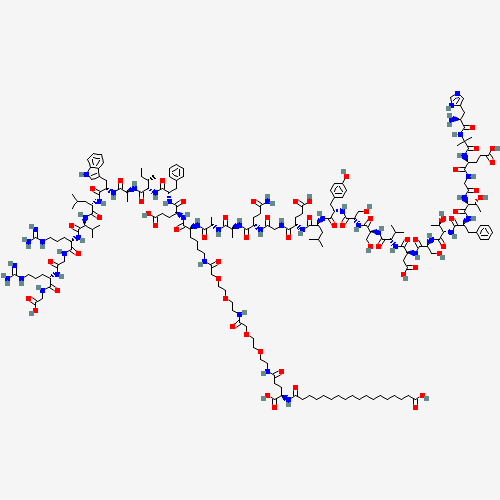
Semaglutide is a synthetic GLP-1 receptor agonist peptide studied extensively in metabolic and endocrine research. It has been investigated for its interactions with incretin signaling pathways involved in energy regulation, appetite signaling, and glucose homeostasis.
Selective GLP-1 receptor agonist.
Long-acting synthetic peptide used in metabolic research.
Studied extensively in appetite and glycemic-control investigations.
Investigated for effects on energy regulation and endocrine signaling.
Frequently referenced throughout obesity and metabolic research literature.
One of the most widely studied incretin-based peptides.
Semaglutide has become a prominent research compound within the field of metabolic biology due to its selective activation of GLP-1 receptor pathways. Researchers have investigated its role in incretin signaling, energy balance, and glucose regulation across numerous experimental settings.
Its extensive body of published research has made semaglutide one of the most recognized peptides in metabolic science. Ongoing investigations continue to evaluate its broader implications within endocrine and metabolic research.
Store in a cool, dry location away from direct light, heat, and moisture. Avoid excessive agitation, shaking, or repeated temperature fluctuations.
Handle using proper laboratory techniques and sterile research practices. Use clean equipment, minimize contamination risk, and keep containers securely sealed when not in use.
Follow all applicable laboratory procedures and refer to source documentation for compound-specific storage considerations.
Review the compound profile and disclaimer before making any inquiry.


